Choosing the right GPU server manufacturer is crucial for your computing needs. The right choice can enhance performance and streamline your operations. However, the sheer number of manufacturers can be overwhelming. Each company claims to deliver top-tier solutions, but not all can meet your specific requirements.
Consider your needs carefully. You may need powerful processing capabilities for AI, graphics rendering, or deep learning. The manufacturer’s experience in these areas can significantly impact your results. Some brands specialize in specific sectors, while others offer a broad range of products. Understanding their focus can guide your decision.
Reliability is key. Research customer reviews and case studies. A manufacturer’s track record provides insight into their credibility. Remember, the best GPU server manufacturer for one business may not suit yours. Tailor your choice to your unique needs, and don’t hesitate to ask questions. This diligence can lead to a sound investment in your technology infrastructure.
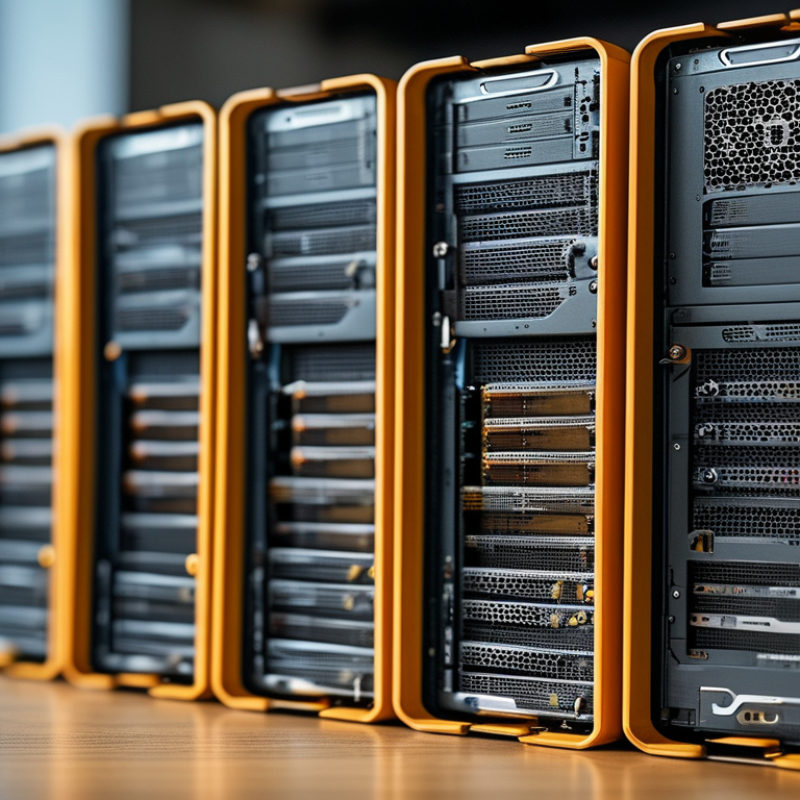
When selecting a GPU server, understanding your specific requirements is crucial. Different applications, such as machine learning or 3D rendering, demand varying levels of GPU power. A clear assessment of your workload helps in determining the right specifications for your needs. This step often goes overlooked, but it’s vital for performance optimization.
Tips: Assess your current and future needs. Will your workload increase over time? Consider scalability if you anticipate growth. Choosing a server that can grow with your demands ensures longevity and cost-effectiveness.
Another consideration is the power and cooling requirements. High-performance GPUs generate considerable heat. If your server is in a confined space, inadequate cooling can lead to thermal throttling. An efficient cooling system can extend your GPU's lifespan and maintain optimal performance.
Tips: Check the power supply ratings. An underpowered server won't deliver peak performance. Be cautious about the overall energy consumption, considering the total cost of ownership. Balancing power needs with energy efficiency is often an overlooked factor that can impact long-term viability.
| Feature | Description | Importance Rating (1-5) |
|---|---|---|
| GPU Type | Determine whether you need NVIDIA or AMD GPUs based on your applications. | 5 |
| Memory Capacity | Select servers with adequate VRAM for complex models. | 4 |
| Cooling Solutions | Consider enhanced cooling systems for high-performance applications. | 3 |
| Scalability | Assess the ability to add more GPUs as requirements grow. | 5 |
| Warranty and Support | Check for manufacturer support and warranty terms. | 4 |
| Power Efficiency | Evaluate the power consumption to optimize cost. | 3 |
| Network Connectivity | High bandwidth and low latency connections are essential. | 5 |
| Form Factor | Rack-mounted vs. blade servers based on space and infrastructure. | 3 |
: Assess your specific workload requirements, such as machine learning or 3D rendering.
Scalability ensures your server can grow with your increasing workload, enhancing cost-effectiveness.
Effective cooling systems are crucial to prevent thermal throttling and extend GPU lifespan.
An underpowered server may not perform optimally. Check power ratings to ensure sufficient supply.
Most warranties last between 3 to 5 years, but some manufacturers offer extended plans.
Timely customer support reduces downtime significantly and helps resolve issues quickly.
Check for diverse support channels such as phone, chat, or ticket systems for quick assistance.
Yes, reviews can provide insight into real experiences, highlighting potential support issues.
Consider total power consumption and balance it with performance requirements for long-term viability.
Some manufacturers may have unclear communication or long wait times, which can be frustrating.
When selecting a GPU server manufacturer, it's crucial to first understand your specific requirements, including computational needs and workload types. Key factors to consider include the specifications of GPU models, the scalability of solutions, and the overall architecture of the server. Evaluating different manufacturers involves comparing their product offerings, reputation, and customer reviews to ensure credibility and quality.
Additionally, customer support and warranty options play a significant role in the decision-making process, as timely assistance and reliable service can greatly affect system performance. Lastly, pricing and performance comparisons among various GPU servers are essential to ensure you obtain the best value for your investment. By carefully considering these aspects, you can choose the right GPU server manufacturer that aligns with your operational goals and budget.

 Aiserveroem