Selecting the right high performance AI server manufacturer is crucial for any organization. The choice can significantly impact performance, efficiency, and long-term operational success. With various manufacturers in the market, understanding their strengths becomes essential.
It's important to analyze the expertise and reputation of each manufacturer. Look for those with proven track records in delivering high-performance solutions. Reading reviews and case studies can provide valuable insights into their reliability. Moreover, consider the support and maintenance services offered. Support can make or break your experience with AI servers.
Price shouldn't be the only factor in your decision. A lower cost might reflect inferior technology or support. High performance AI server manufacturers should provide a balance of quality and value. Remember, a decision made in haste could lead to regrettable outcomes. Take time to reflect on the options available before committing.
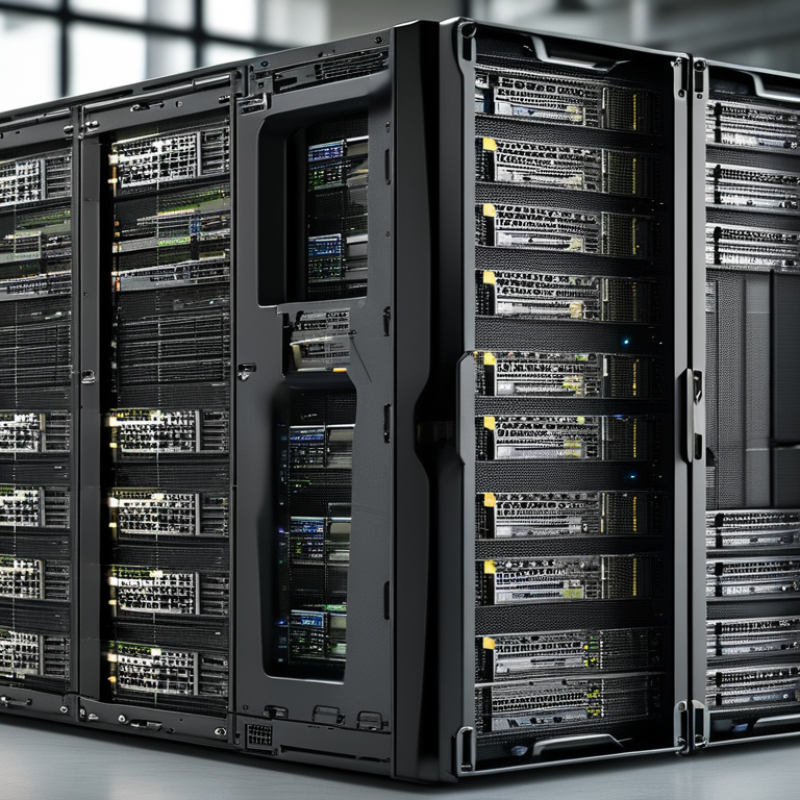
When selecting a high-performance AI server, understanding key performance metrics is crucial. Processing power is one of the most significant metrics. A server needs powerful CPUs or GPUs to handle complex algorithms. The more cores and higher clock speeds, the better. Benchmark scores from reliable tests can provide insight into processing capabilities and speed.
Memory bandwidth is another vital aspect. Sufficient RAM ensures smooth data handling and prevents bottlenecks. Look for servers offering high bandwidth options, like DDR4 or DDR5. This will facilitate faster data transfer rates. Additionally, consider storage speed. SSDs outperform traditional HDDs in data retrieval, which is essential for AI workloads.
Thermal management also deserves attention. High-performance servers generate significant heat. Proper cooling systems ensure that servers run efficiently and do not throttle speed. Monitoring temperature limits provides insight into potential performance lags. Each metric plays a role in balancing performance and reliability to meet your specific AI needs. Making informed choices means weighing these factors thoughtfully.
| Metric | Description | Importance Rating | Recommended Value |
|---|---|---|---|
| GPU Cores | Number of parallel processing cores available in the GPU | High | At least 2000 cores |
| Memory Bandwidth | Speed at which the memory can be accessed by the GPU | High | Over 600 GB/s |
| CPU Performance | Overall performance rating of the CPU | Medium | Above 3.5 GHz |
| Storage Type | Type of storage used (SSD/HDD) | High | NVMe SSD |
| Power Efficiency | Wattage required per unit of computational power | Medium | Less than 2.0 J/GFLOP |
| Scalability Options | Ability to expand and add more resources | High | Supports clustering |
I servers?
Look for clear energy consumption metrics for each model to make effective comparisons.
PUE stands for Power Usage Effectiveness. A lower PUE indicates better energy efficiency.
Efficient cooling designs can significantly reduce a server’s energy demands, enhancing overall efficiency.
Evaluate the responsiveness, availability, and resource quality of the manufacturer’s customer service.
Inadequate support can lead to operational delays, decreased productivity, and increased costs.
Check independent reviews and reports for real-world testing results to ensure accuracy.
User experiences reveal strengths and weaknesses in support systems, indicating potential risks.
No, but many organizations prefer manufacturers that offer round-the-clock assistance for timely help.
Challenges often arise from unclear communication and untrained staff, leading to frustration.
When selecting a high performance AI server manufacturer, it's essential to identify key performance metrics that meet your specific AI workload requirements. Factors such as processing power, memory speed, and data throughput are crucial in determining the efficiency of the servers. Evaluating the manufacturer's expertise in AI hardware production can further assure you of their capability to deliver tailored solutions that leverage cutting-edge technology.
Additionally, it's important to assess the scalability options offered by these manufacturers. As AI projects grow, the ability to scale resources effectively can make a significant difference in performance. Comparing energy efficiency ratings across different AI server models is also vital, as optimizing power consumption can lead to substantial cost savings. Lastly, analyzing customer support and service levels is critical, as responsive support can enhance operational continuity and minimize downtime for your AI initiatives.

 Aiserveroem