The convergence of generative AI pipelines, ultra-low latency requirements, and petabyte-scale datasets is rewriting the rules of modern networking. Today's global enterprises are no longer just procuring independent servers or discrete networking switches; instead, they are deploying integrated compute-and-network fabrics. As high-density GPU platforms (such as the architectures supporting DeepSeek AI models, R760 platforms, and clustered GPU matrices) become industry standards, the role of Networking Equipment Manufacturers and Exporters is expanding to include high-speed interconnect solutions, signal integrity modules, and customized OEM/ODM deployment platforms.
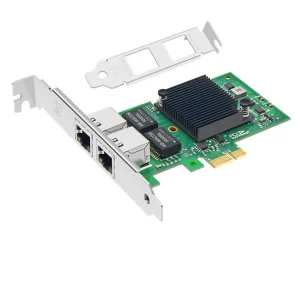
High-speed networking equipment, specifically PCIe switches, GPU baseboards, and active Retimer boards, are the fundamental components required to bridge the computing bottleneck. Without robust network design, top-tier GPUs experience constant communication stalls (GPU starvation) during model gradient updates. In this deep architectural report, we explore how leading exporters and manufacturers design and ship networking interfaces, enterprise storage, and bare-metal high-density server configurations capable of handling the most complex data-routing workloads on Earth.
For modern system integrators, telecom operators, and hyperscale cloud providers, procuring high-performance servers and switches involves navigating a matrix of technical requirements, localization laws, and export controls. A resilient supply chain must optimize for three critical pillars:
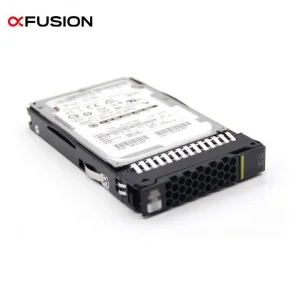
Modern data pipelines rely heavily on PCIe Gen 5.0 x8/x16 buses, SAS 12G/24G interfaces, and multi-gigabit SATA fabrics. Selecting components with certified RAID configurations, such as the 9540-8i SAS RAID cards, ensures data redundancy and high local-disk IOPS performance.
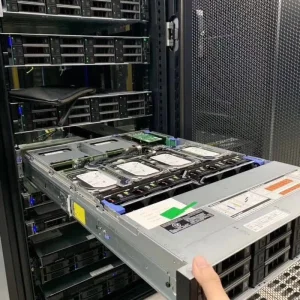
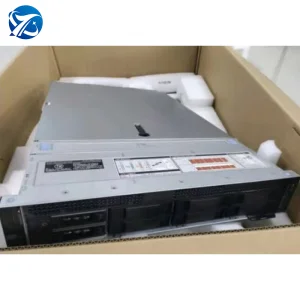
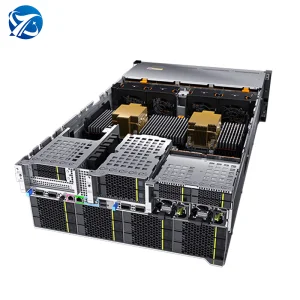
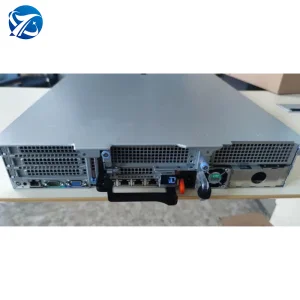
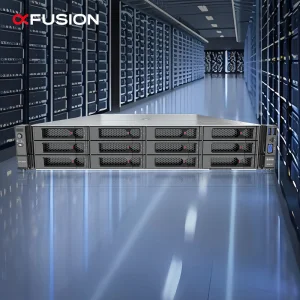
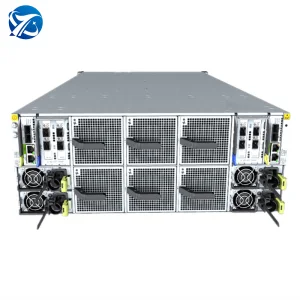
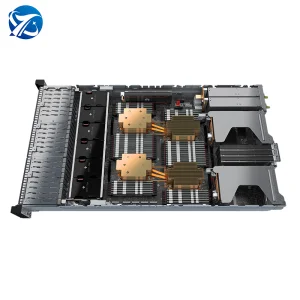
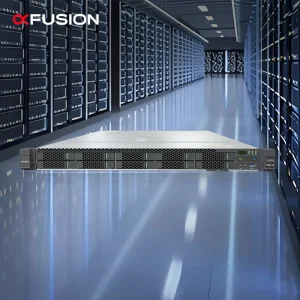
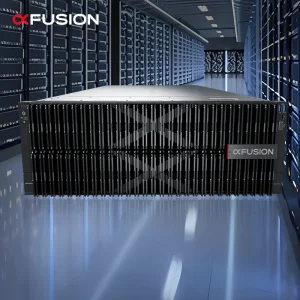
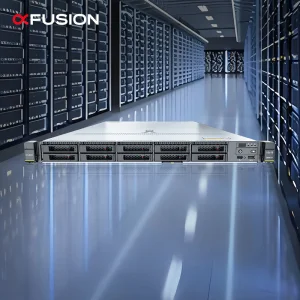
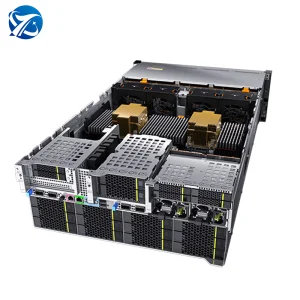
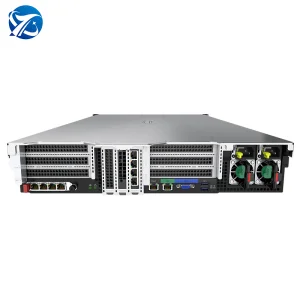
Multi-socket 1U, 2U, and 4U systems (like the xFusion FusionServer 2488H V6 or 5288 V6) operating at 2000W redundant PSUs require optimized cooling pathways. Selecting high-density form factors requires checking the manufacturer's layout optimization for GPU airflow.
Leading exporters guarantee that their equipment adheres to CE, FCC, UL, and RoHS directives. Ensuring global conformity minimizes shipping delays, localized customs issues, and ensures compatibility with global power grids.
Furthermore, sourcing raw componentry from localized hubs like Shenzhen ensures rapid turnaround times for customized hardware configurations, including modified PCIe switch systems, customer-defined Motherboard layouts, and optimized Retimer line-cards. System designers can mitigate supply chain interruptions by partnering with OEMs that manage everything from initial PCB schematic design to complete multi-node bare-metal testing.
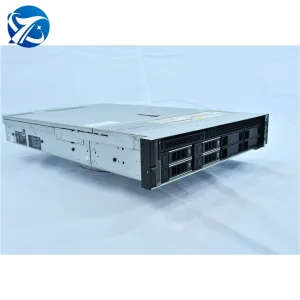
To support massive AI inference workloads, large-scale database operations, and high-performance storage arrays, enterprise hardware must be architected in distinct clusters. Manufacturers utilize multi-socket rack mount form factors to address localized enterprise data demands:
By coordinating these distinct hardware classes into a single, cohesive topology, data centers can achieve optimal resource utilization. Dynamic load balancing routes high-compute operations to the GPU blocks while logging transactions on dense SATA SSD arrays, ensuring maximum throughput and minimal overhead.
As networking systems transition from PCIe 4.0 to PCIe 5.0 and the upcoming PCIe 6.0 standard, the physical limitations of signal transmission over FR4 copper traces become a critical bottleneck. High-frequency signals undergo severe attenuation and phase distortion over long distances. This is where Retimer Boards and advanced PCIe Switches play a vital role.
Unlike simple redrivers that only amplify the analog signal (along with its accumulated noise), a Retimer board decodes the incoming data stream, reconstructs clean clock alignment, and transmits a completely new, noise-free copy of the data. This reset of the jitter budget is critical for keeping error rates low over longer motherboard paths.
PCIe Switch systems allow dynamically shared access between host CPUs and multiple GPU devices. Utilizing dedicated switch chips allows system designers to create low-latency peer-to-peer communication pathways, bypassing the central CPU entirely during active training runs.
Without these specialized high-speed components, scaling out multi-GPU configurations would result in massive packet loss and high transmission errors, severely impacting cluster performance. Integrating dedicated retimers and switches directly onto custom motherboard and GPU baseboard layouts enables manufacturers to supply highly efficient AI systems to demanding enterprise markets.
As a leading innovator in high-performance infrastructure, AI Server Technology Co., Ltd. is a professional manufacturer and solution provider specializing in AI computing infrastructure. We focus on the design, development, and production of high-performance servers, PCIe switches, GPU baseboards, motherboard solutions, and retimer boards.
Our comprehensive product portfolio addresses the critical pain points of modern compute operations, offering customers high efficiency, reliability, and cost-effective scalability. Our primary product families include:
Built for complex deep learning networks, large language model training, and heavy enterprise cloud processing.
Optimized interconnect components for robust signal routing and low-latency peer-to-peer data distribution.
Engineered to ensure signal integrity across long traces, supporting the latest PCIe standards with minimal packet loss.
Through our robust R&D capabilities and flexible OEM/ODM services, we support client projects from initial layout design and firmware development to final compliance certification and mass production. Whether scaling a private high-performance computing (HPC) cluster or deploying cloud-edge nodes, AI Server Technology Co., Ltd. delivers reliable, high-efficiency AI infrastructure tailored to your needs.
Exporting high-performance computing systems and networking components requires navigating complex international trade requirements. Modern hardware must comply with multiple international standards to ensure safety, efficiency, and reliability across different regions:
In addition, our technical support engineers provide remote and on-site integration assistance, helping clients configure bios settings, optimize RAID arrays, and adjust network topologies for local power profiles, ensuring rapid, reliable deployments worldwide.
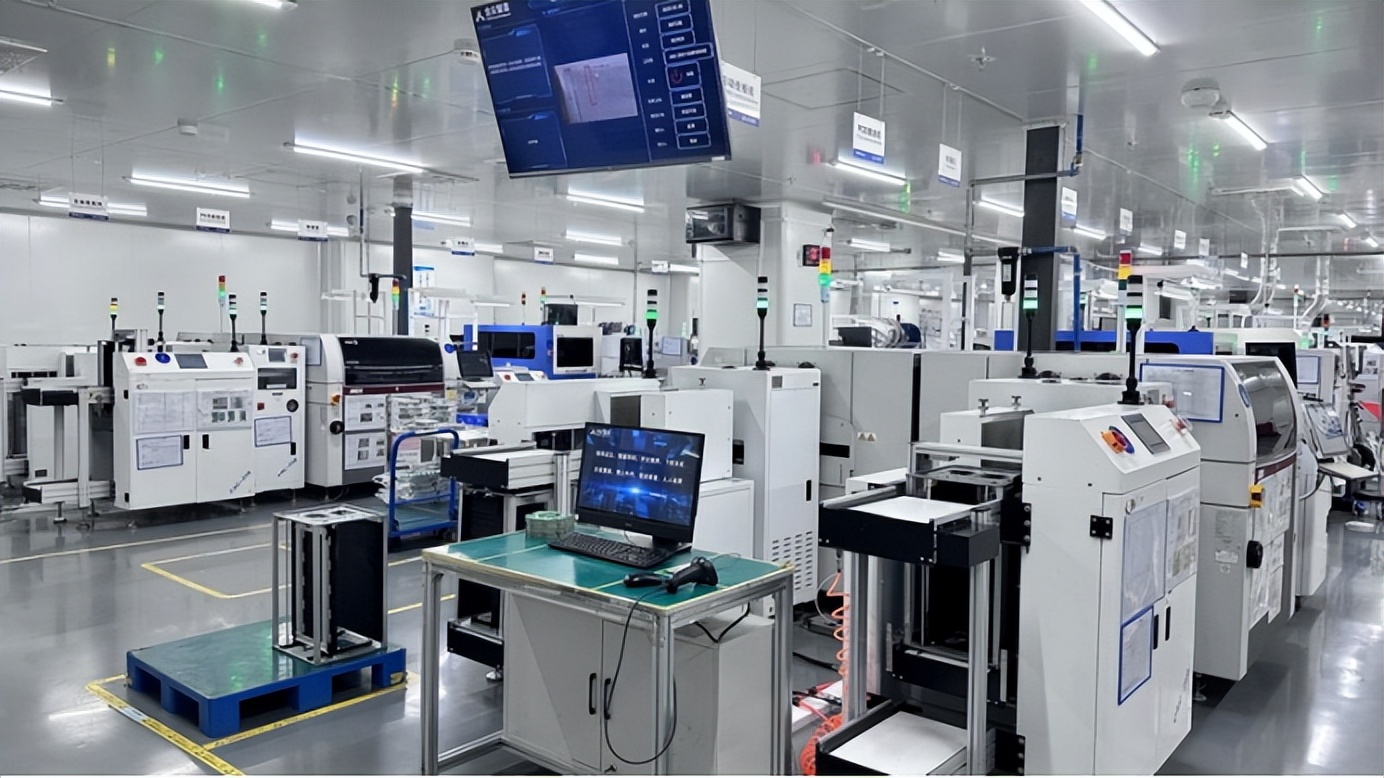

 Aiserveroem