Engineered for high density compute, resilient networking, and local regulatory compliance.
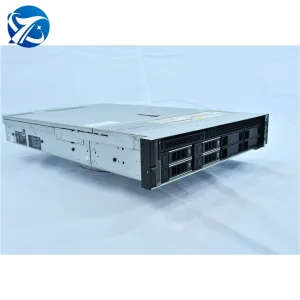
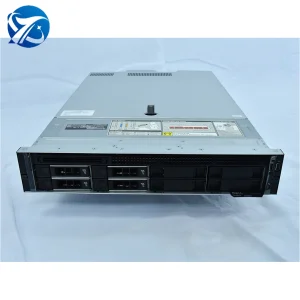
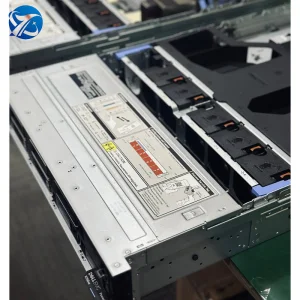
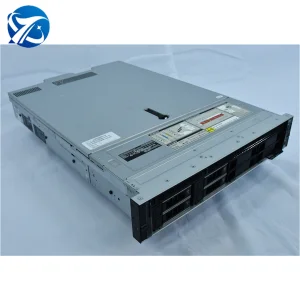
The Republic of Uzbekistan is undergoing a comprehensive technological transformation, driven by the government's ambitious "Digital Uzbekistan 2030" strategy. As the country transitions into a digital hub for Central Asia, the need for scalable and resilient computing infrastructure has grown. This industrial growth is transforming key sectors, including e-governance, financial services (FinTech), agricultural monitoring, and logistics corridors connecting Western China with Central and Eastern Europe.
To support this expansion, local and global enterprises are prioritizing high-end server deployments. Dell PowerEdge servers are widely utilized in Tashkent and regional industrial centers due to their reliability, global warranty support, and compatibility with advanced software-defined architectures. This whitepaper analyzes the supply chain pathways, technical configurations, regulatory environments, and localized options that shape the server procurement market in Uzbekistan.
“Regulatory frameworks, specifically Uzbekistan's personal data localization law (Law No. ZRU-547), require that companies processing local citizens' data store it physically within the nation's borders. This has accelerated the construction of modern, tier-standard data centers across Tashkent, Samarkand, and Bukhara.”
Uzbekistan’s climatic conditions require computing hardware that can withstand temperature variations while remaining energy efficient. The dry, hot continental climate makes cooling architectures a priority for local data center operators. Selecting Dell’s advanced Smart Flow chassis configurations helps optimize airflow, reducing cooling power demands compared to older generations.
Additionally, the regional market has transitioned toward dual-socket 1U and 2U servers to balance performance and physical rack space. Platforms featuring DDR5 memory and PCIe Gen 5 configurations are increasingly selected to handle database caching, containerized microservices, and virtualization workloads for government portals (such as my.gov.uz) and growing e-commerce platforms.
Expanding the edge computing capabilities and high-density virtualization across Uzbekistan's business zones.
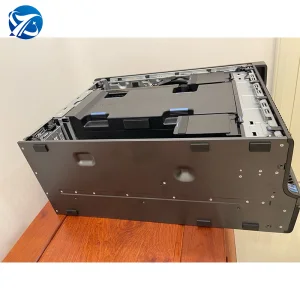

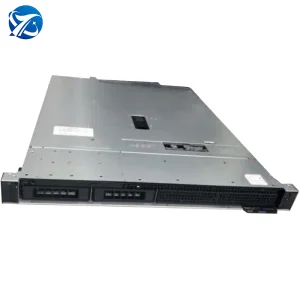
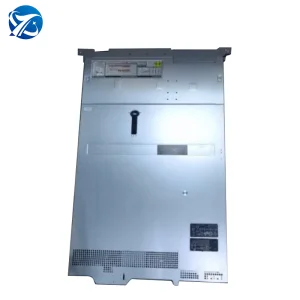
Uzbekistan's geographical position as a double-landlocked nation presents unique supply chain dynamics. Delivery of tier-one server technology requires coordinating freight corridors across Europe and Asia. Exporters play a critical role in facilitating these trans-Eurasian routes, utilizing intermodal shipping through rail and road networks to Tashkent.
Securing conformity certificates and custom clearance under the "Uzstandard" system is a key part of the import process. Knowledgeable exporters manage technical evaluations, ensure compliance with national encryption standards, and handle VAT registrations to streamline the integration of newly received computing equipment.
While brand-name hardware serves as the primary system framework, custom configurations are often required to support specialized machine learning, high-performance computing (HPC), and dense GPU applications. AI Server Technology Co., Ltd. is a manufacturer and solutions provider specializing in AI computing infrastructure, offering hardware designs that complement standard server platforms.
The company specializes in the design, development, and production of high-performance servers, PCIe switches, GPU baseboards, specialized motherboard designs, and retimer boards. These solutions are utilized in AI training, machine learning, cloud data center environments, and high-density industrial systems globally.
With R&D resources and flexible OEM/ODM capabilities, AI Server Technology Co., Ltd. provides localized engineering support to help Central Asian system integrators scale their infrastructure efficiently.
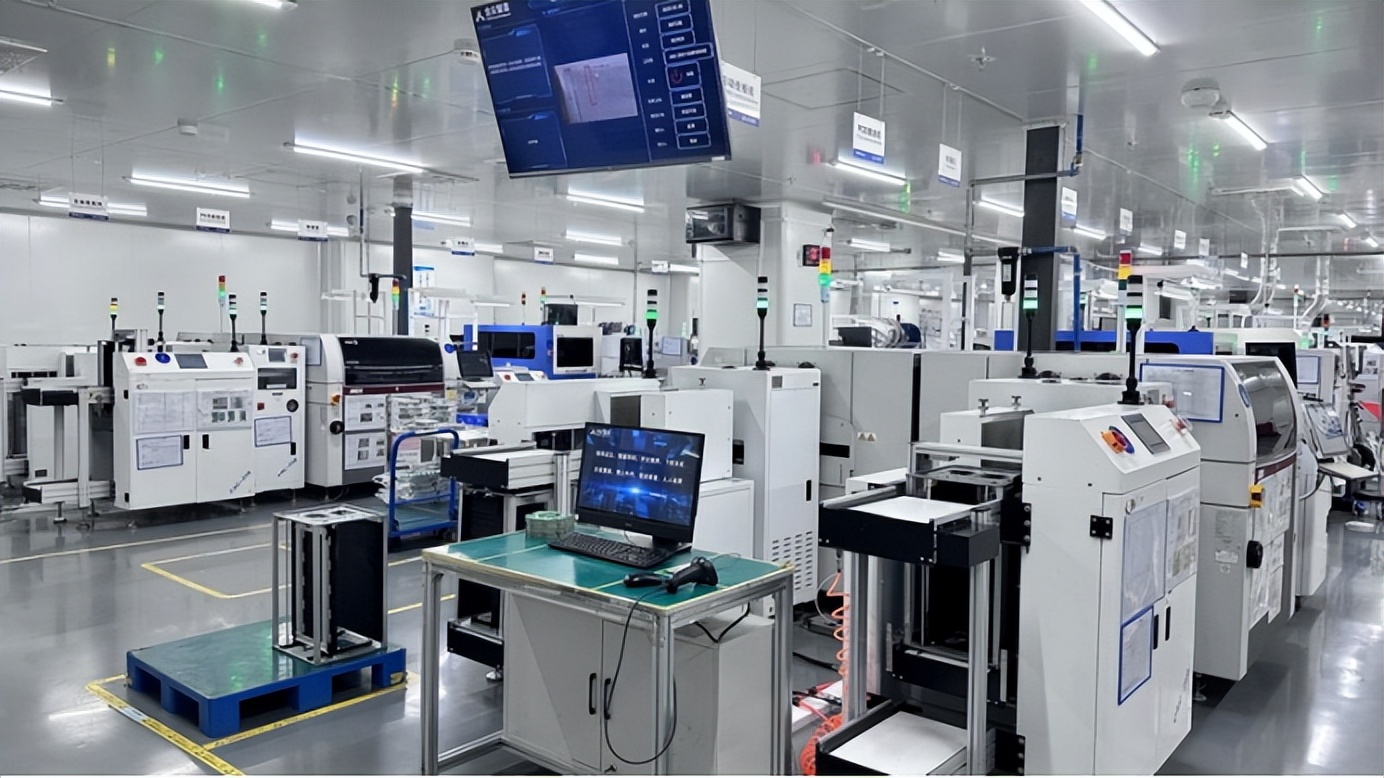

Select from our core inventory of rackmount systems, optimized for Central Asian technical projects.


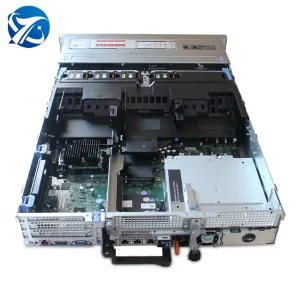
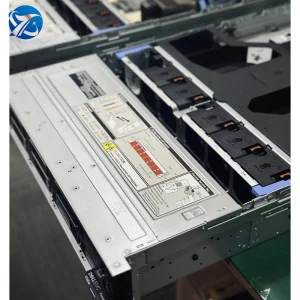
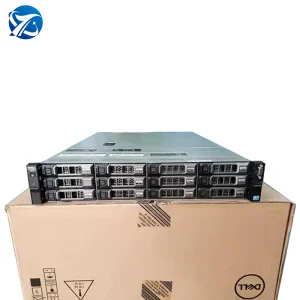
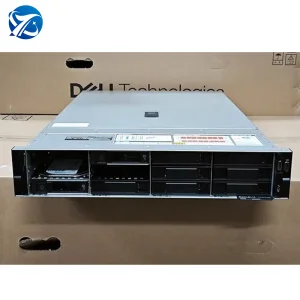
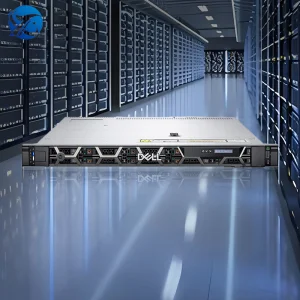

Building scalable infrastructure in Central Asia requires attention to hardware compatibility, expandability, and deployment standards. The table below lists configurations used to adapt standard Dell servers for modern AI and enterprise workloads:
Looking toward 2030, Uzbekistan's enterprise infrastructure market is expected to shift toward higher energy efficiency and advanced computing. Key developments include:
 Aiserveroem