Explore our elite inventory of high-density hardware, power configurations, and scalable rack systems compliant with global CE standard regulations.
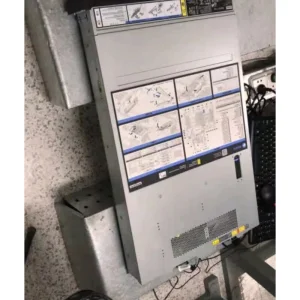
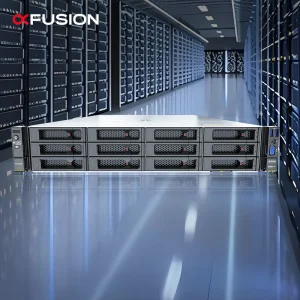
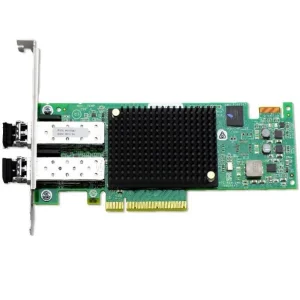
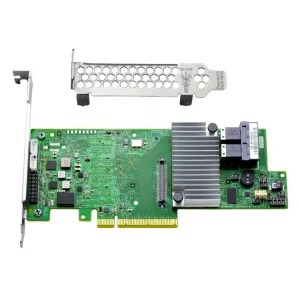
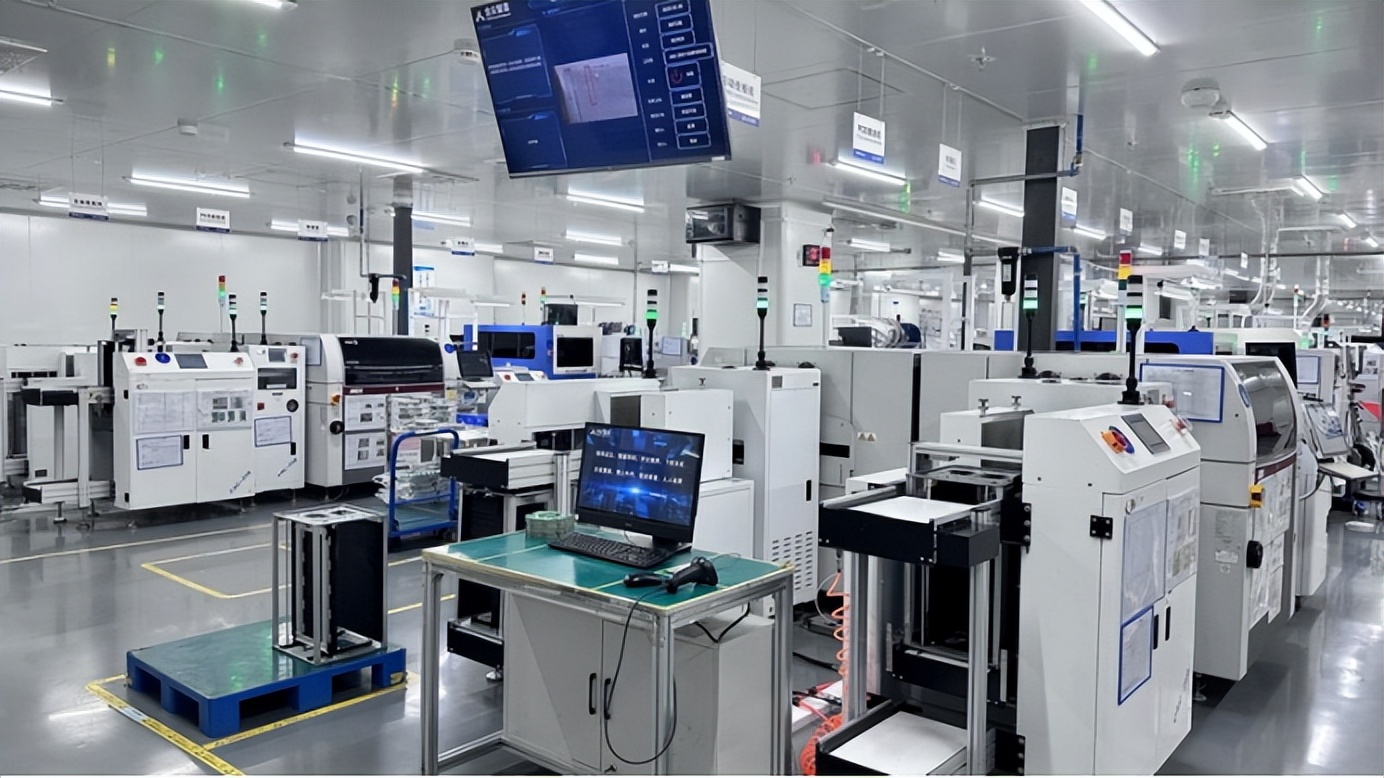
AI Server Technology Co., Ltd. stands as a premier global developer, designer, and high-precision manufacturer dedicated to next-generation AI computing infrastructure. Recognized for strict adherence to international regulatory frameworks, our comprehensive production process is compliant with CE, FCC, and RoHS certifications. This guarantees that every complex PCIe Switch system, custom server motherboard, and high-frequency Retimer board leaving our facility meets the highest standards of electromagnetic compatibility, thermal efficacy, and operational longevity.
Our collaborative R&D paradigm enables us to partner closely with scale-out data centers, leading hyperscalers, and sovereign AI entities. By focusing on PCIe Gen 5.0 and Gen 6.0 routing layouts, multi-GPU topology interconnects (OAM & SXM formats), and advanced active cooling protocols, we ensure that global enterprises can scale their computational nodes efficiently without experiencing hardware-level throughput bottlenecks.
Global Datacenters Powered
Years of Signal Integrity R&D
Certified Compliance Standards
Minimum Node Throughput Capabilities
Analyzing the shift from legacy system monitoring to highly scalable, AI-driven autonomic network management solutions.
The global enterprise landscape is witnessing an exponential surge in data generation, driven by generative AI models, high-performance edge computing, and complex cloud topologies. Standard local monitoring frameworks are no longer sufficient to maintain uptime across massive multi-tenant fabrics. The contemporary paradigm requires autonomic network management integrated directly into the physical server architecture.
As deep learning algorithms grow in size, processing speeds must keep pace with network throughput. With the rise of PCIe Gen 5 (offering up to 32 GT/s bandwidth per lane) and the introduction of PCIe Gen 6, physical network interfaces require active retimers and PCIe switches to combat signal attenuation over distance. CE-certified manufacturers are implementing customized hardware layers on GPU host baseboards to maintain data integrity across complex fabric architectures.
To scale training clusters for models such as LLMs and RAG engines, network architects must minimize latency while maximizing throughput. RDMA over Converged Ethernet (RoCE v2) has emerged as a high-value alternative to proprietary InfiniBand systems. By integrating smart NICs and high-capacity host channel adapters directly on the server platform, organizations can deploy ultra-low latency setups on standard Ethernet fabrics.
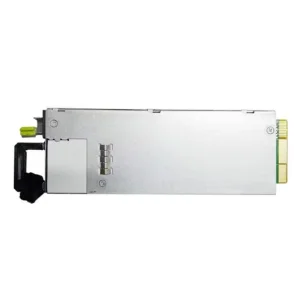
The European Union's strict ecodesign regulations demand exceptional power efficiency (Titanium and Platinum standards) for enterprise servers. Modern 900W, 1500W, and 2000W server power supplies feature advanced digital signal controllers to dynamically adjust power distribution. This ensures minimal energy waste under varying network load demands.
Key compliance benchmarks, hardware tolerances, and supply-chain requirements for Tier-1 technology sourcing.
All network hardware must adhere strictly to the EU EMC Directive (2014/30/EU) and the Low Voltage Directive (2014/35/EU), protecting networks from harmful electromagnetic interference and ensuring structural electrical safety under heavy continuous workloads.
Procurement teams demand N+1 fan matrix systems alongside dual hot-swappable AC power supplies (exhibiting >94% efficiency ratios). This setup minimizes physical technician intervention while maintaining maximum enterprise uptime.
Required mean time between failures (MTBF) rates for system motherboards and PCIe switch components must exceed 100,000 operational hours. This standard is achieved through selective sourcing of durable capacitors and advanced copper track tracing.
Empowering modern enterprises with purpose-built computing nodes for high-density hosting, cloud orchestration, and AI model deployments.
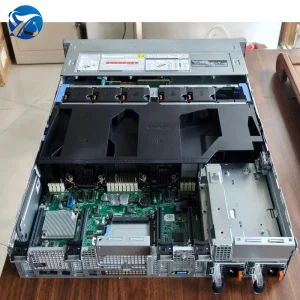
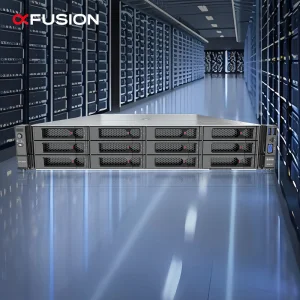
For operations aiming to unify compute, storage, and networking into a single software-defined system, our hyperconverged server range offers robust performance. By integrating dual Intel Xeon Scalable or AMD EPYC processors with highly responsive local NVMe arrays, these systems simplify IT administration while delivering high-speed virtual machine orchestration.
Built-in integration with IPMI 2.0 and Redfish API controllers allows network teams to remotely diagnose hardware performance, update server firmwares, and closely monitor system power consumption metrics.
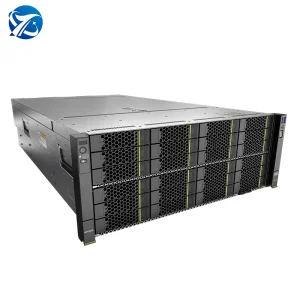
Deploying cutting-edge networks for machine learning requires specialized computing configurations. Our custom GPU rackmount configurations are optimized to house up to 8 dual-slot graphic accelerators or dedicated tensor processing units. Supported by high-performance server boards, these systems feature advanced cooling conduits designed to mitigate localized hot spots, preventing thermal throttling during complex training phases.
The technological evolution milestones shaping the future of high-speed enterprise compute systems.
Addressing key technical questions from enterprise network engineers, datacenter architects, and sourcing procurement managers.
High-capacity storage configurations, reliable server motherboards, and network interconnect devices.
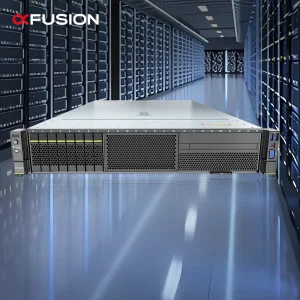
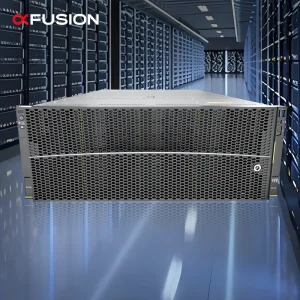
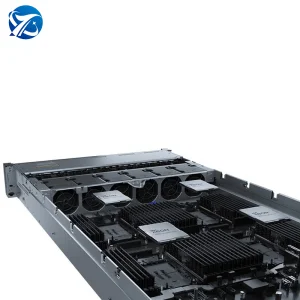
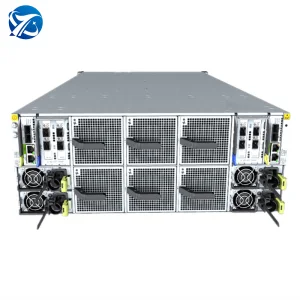
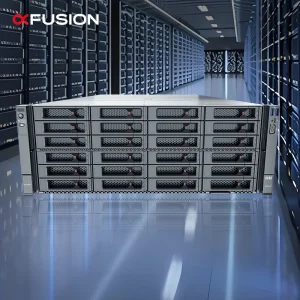
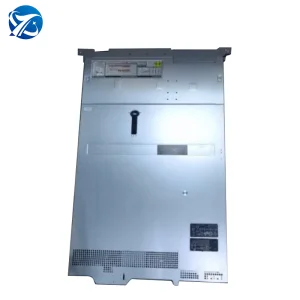
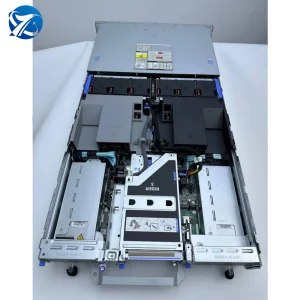
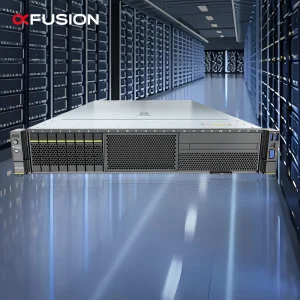
AI Server Technology Co., Ltd. is a professional manufacturer and solution provider specializing in AI computing infrastructure. We focus on the design, development, and production of high-performance servers, PCIe switches, GPU baseboards, motherboard solutions, and retimer boards.
Our products are widely used in AI training, machine learning, high-performance computing (HPC), cloud data centers, and enterprise-level computing environments. With strong R&D capabilities and flexible OEM/ODM services, we are committed to delivering reliable, scalable, and high-efficiency AI server solutions for global customers.
Main Products: AI Servers, GPU Servers, PCIe Switch Systems, Server Motherboards, GPU Baseboards, and Retimer Boards.
Application Areas: Artificial Intelligence, Deep Learning, HPC, Cloud Computing, and Enterprise Data Centers.

 Aiserveroem