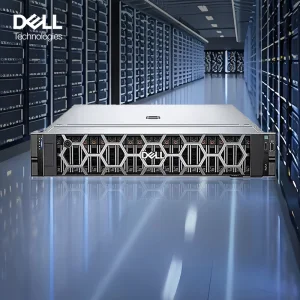
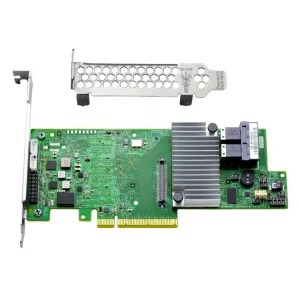
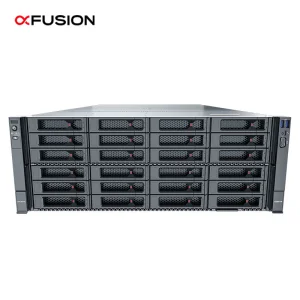
High-performance custom computing nodes and enterprise storage elements built to fuel network latency optimization.
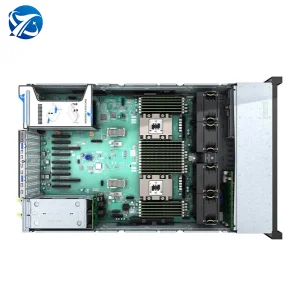
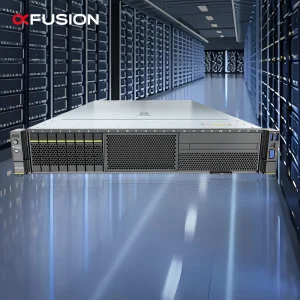
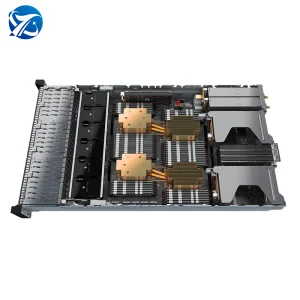
In its foundational phases, blockchain consensus relied primarily on standard CPU clusters. However, as cryptographic requirements have progressed from simple SHA-256 proof-of-work protocols to complex Zero-Knowledge (ZK) rollups, homomorphic encryption, and memory-intensive Proof-of-Space-and-Time mechanisms, the hardware paradigm has shifted irrevocably.
Today's distributed ledger technology (DLT) landscape demands deep integration between software and bare-metal platforms. High-frequency validation engines, multi-sig consensus coordinators, and storage-heavy indexers require physical infrastructure tailored to their specific mathematical bottlenecks. This includes optimizing PCIe layouts for cryptographic coprocessors, utilizing low-latency Retimer boards to maintain signal integrity over high-lane-count designs, and designing dedicated power distribution models that can support sustained, bursty compute cycles without thermal throttling.
Global enterprise buyers, ranging from sovereign wealth funds deploying digital currencies to multi-national logistics consortia, approach blockchain infrastructure with stringent procurement metrics. Key buying considerations center around:
Integration of dedicated HSM and TPM modules to guarantee key protection and secure consensus state generation at the hardware layer.
Custom-tuned PCIe switch systems matching GPU acceleration boards with ultra-fast solid-state storage arrays to avoid processing bottlenecks.
Advanced liquid-cooling systems and strategic cooling shrouds designed to manage heavy thermal dissipation of continuous 24/7 calculations.
Manufacturing high-end blockchain and computing solutions requires an agile, advanced, and deeply integrated industrial system. AI Server Technology Co., Ltd. operates under the **China Factory 4.0** manufacturing framework, blending automated mechanical assembly with real-time quality assurance telemetry.
By leveraging our location in China’s premier hardware manufacturing corridor, we bypass traditional supply chain delays. Component sourcing, multi-layer PCB fabrication, high-speed SMT (Surface Mount Technology) processes, and automated optical inspection (AOI) occur in a closed loop. This ensures that custom chassis modifications, specialized PCIe layout integrations, and Retimer chip additions are executed rapidly.
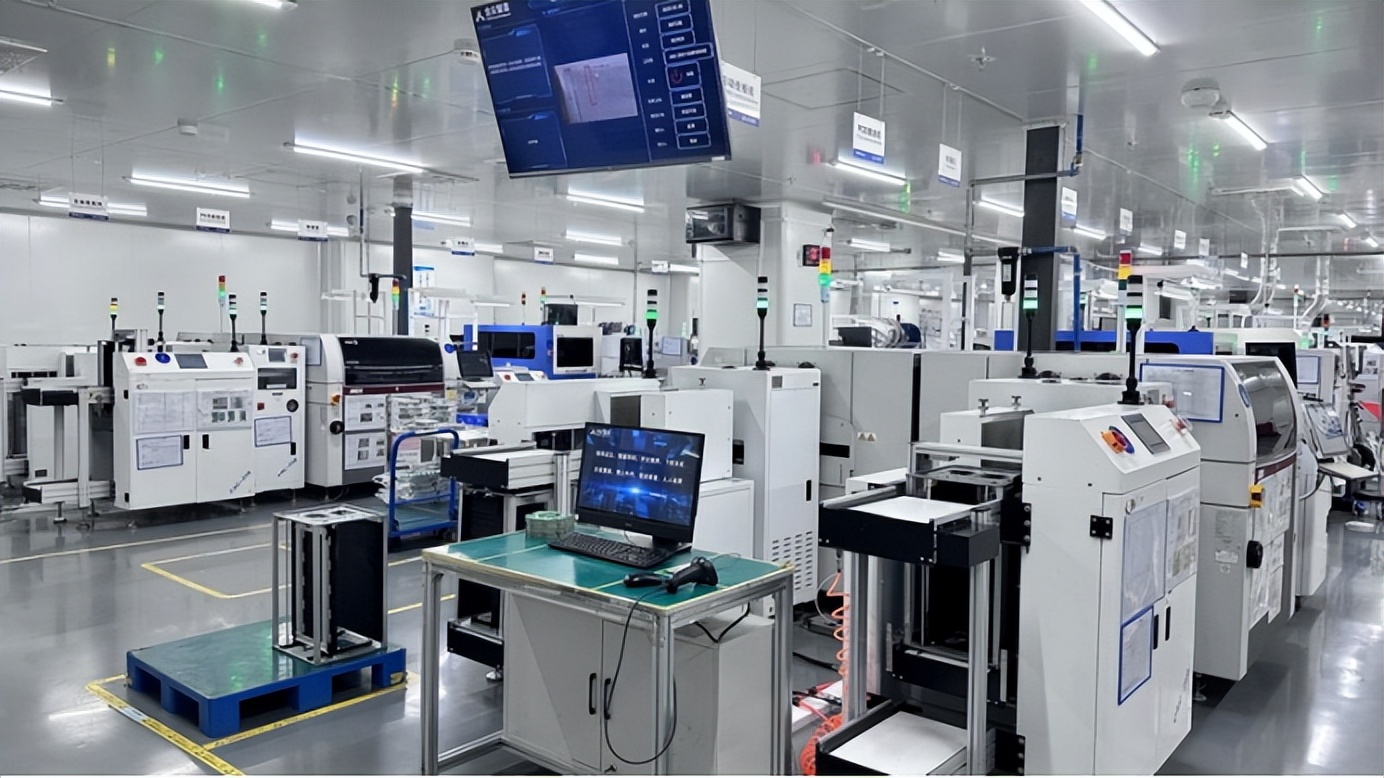

This geographical and logistical advantage enables us to keep lead times significantly shorter than Western competitors, offering global purchasers a vital advantage in scaling their node counts to secure first-mover network rewards.
Blockchain solutions are no longer limited to basic public token networks. The modern industrial landscape demonstrates localized, highly specialized requirements across various commercial vectors:
In highly competitive trading hubs like New York and Chicago, financial operators utilize customized low-latency consensus nodes to optimize MEV (Maximal Extractable Value) capture. These systems run custom FPGA cards and require optimized BIOS configurations to minimize networking path times.
European clients use specialized consortium blockchain systems to trace green energy output. These networks require localized, low-power edge validation servers that are resilient to challenging industrial environments, showing the need for fanless or ruggedized OEM enclosures.
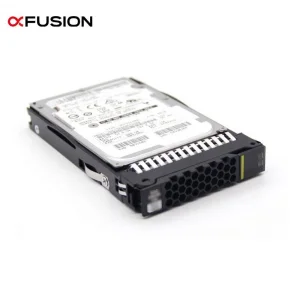
For cross-border freight corridors, high-capacity storage indexers track millions of state updates. These platforms demand high-density server configurations featuring enterprise SAS/SATA SSDs and RAID controller cards with battery backup to ensure data integrity during unexpected outages.
The rise of decentralized compute, storage, and wireless networks requires mass deployments of consumer-accessible yet enterprise-reliable hardware nodes. Our OEM capability allows DePIN operators to distribute pre-provisioned, plug-and-play validation units worldwide.
AI Server Technology Co., Ltd. builds on a foundation of verifiable hardware expertise. With an engineering-first company profile, we provide full circuit trace analysis, thermal simulations, and MTBF (Mean Time Between Failures) certifications for all our customized OEM and ODM products, ensuring your deployments remain online, compliant, and highly secure.
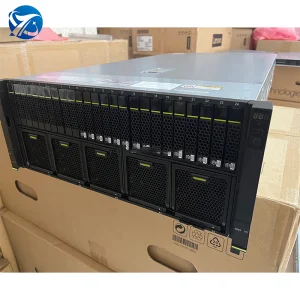
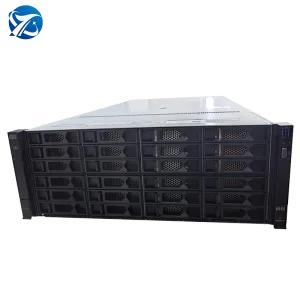
AI Server Technology Co., Ltd. is a professional manufacturer and solution provider specializing in AI computing infrastructure. We focus on the design, development, and production of high-performance servers, PCIe switches, GPU baseboards, motherboard solutions, and retimer boards.
Our products are widely used in AI training, machine learning, high-performance computing (HPC), cloud data centers, and enterprise-level computing environments. By extending our core competencies in high-speed data routing and dense computing, we design specialized hardware for the global Web3, blockchain validation, and distributed ledger ecosystems.
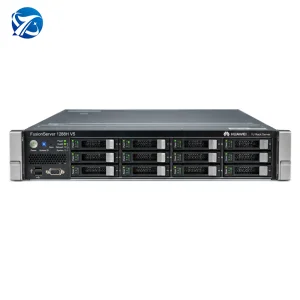
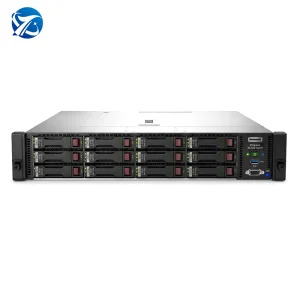
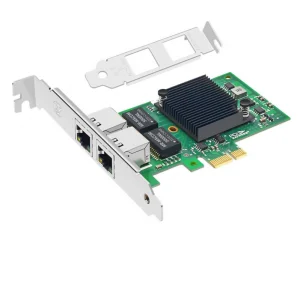
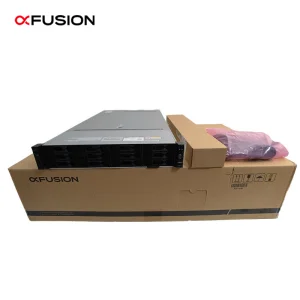
Our Core OEM/ODM Product Verticals Include:
Primary Application Areas: Artificial Intelligence, Deep Learning, High-Performance Computing (HPC), Cloud Computing, Enterprise Data Centers, and Decentralized Networks.
Engineered to support distributed datacenters, deep learning, and secure blockchain validation layers.
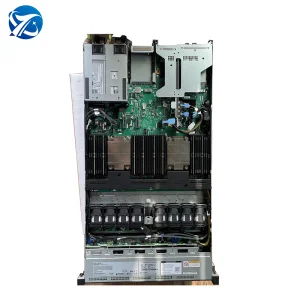
 Aiserveroem