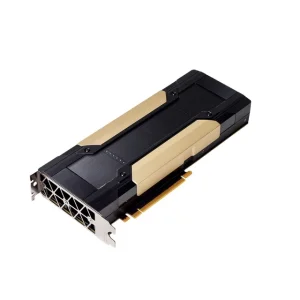
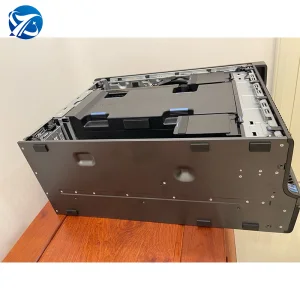
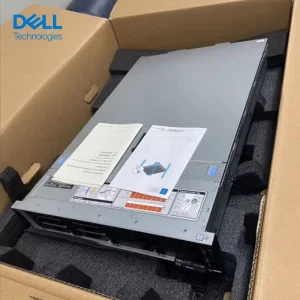
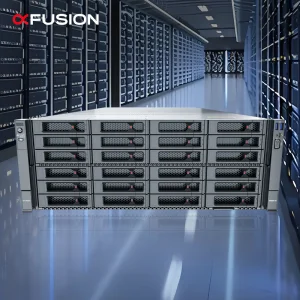
Explore our high-performance rackmount servers, accelerator cards, and multi-socket platforms engineered for extreme enterprise application density.
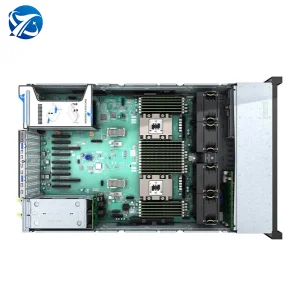
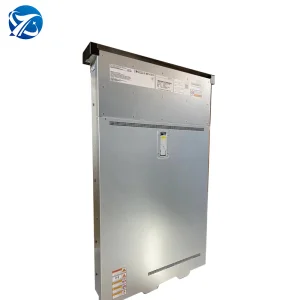
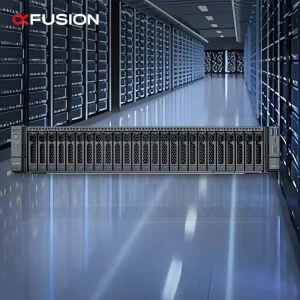
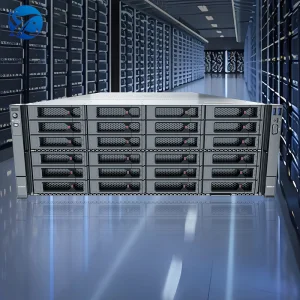
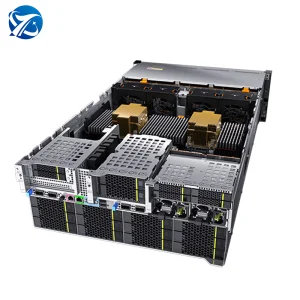
Providing high-end modular execution across computing topologies to enable hyperscale performance, structural reliability, and cost-efficiency.
End-to-end designs leveraging high-bandwidth topologies to run large-scale deep learning models, training routines, and low-latency inference workloads.
Configurable structures from 1U to 8U built to absorb massive thermal loads, optimized for GPU-to-GPU peer communication over PCIe Switch environments.
Specialized low-latency PCIe fabric design utilizing enterprise-grade Retimer and Switch cards to ensure clean, jitter-free signal transmission.
Signal Integrity Validation
Custom OEM Product Lines
Exporting Countries & Regions
RMA Hardware Defect Rate
AI Server Technology Co., Ltd. is a professional manufacturer and solution provider specializing in AI computing infrastructure. We focus on the design, development, and production of high-performance servers, PCIe switches, GPU baseboards, motherboard solutions, and retimer boards.
Our products are widely used in AI training, machine learning, high-performance computing (HPC), cloud data centers, and enterprise-level computing environments. With strong R&D capabilities and flexible OEM/ODM services, we are committed to delivering reliable, scalable, and high-efficiency AI server solutions for global customers.

As deep learning algorithms, cloud services, and real-time big data analytical engines expand, modern IT environments require more than generic, off-the-shelf rack server configurations. Enter the realm of Custom OEM HPE Server Factories. By combining the legendary chassis stability, management frameworks (such as HPE iLO), and processing reliability of ProLiant systems with customized components, bespoke PCIe switchboards, and specific GPU accelerators, global enterprises can design specialized computing platforms optimized for their exact workloads.
Whether configuring high-density 2U, 4-socket multi-node systems for large relational databases or massive 4U systems packed with multiple double-width accelerator cards for LLM training, enterprise clients demand reliability, regulatory compliance, and direct supply chain transparency. This guide details the architectural pathways, manufacturing methodologies, and systemic benefits of modern customized server production.
The enterprise server landscape is experiencing a massive shift toward highly parallel processing architectures. The emergence of PCIe Gen5 and upcoming PCIe Gen6 interfaces demands incredibly precise hardware layouts to manage signal attenuation and electromagnetic interference. Within custom HPE ProLiant (e.g., DL380 Gen11) and equivalent structures, the integration of advanced motherboards requires specialized components such as Retimer boards. These boards actively clean, amplify, and correct PCIe signals over long physical distances across the chassis, enabling seamless connection to modern high-capacity solid-state drives and accelerators.
Furthermore, the standard transition toward CXL (Compute Express Link) protocols will allow memory pooling between CPU sockets and GPU accelerators. Custom OEM designs incorporate specialized GPU baseboards and high-frequency PCIe Switch Systems to ensure that CPU host environments can dynamically allocate memory pools across multiple nodes. This future-proof roadmap ensures that systems deployed today can support tomorrow's disaggregated, composable data center frameworks.
Modern server hardware must match the target workload profile. A typical enterprise-level configuration needs to resolve unique latency, storage throughput, and processing bottlenecks based on its deployment scenario:
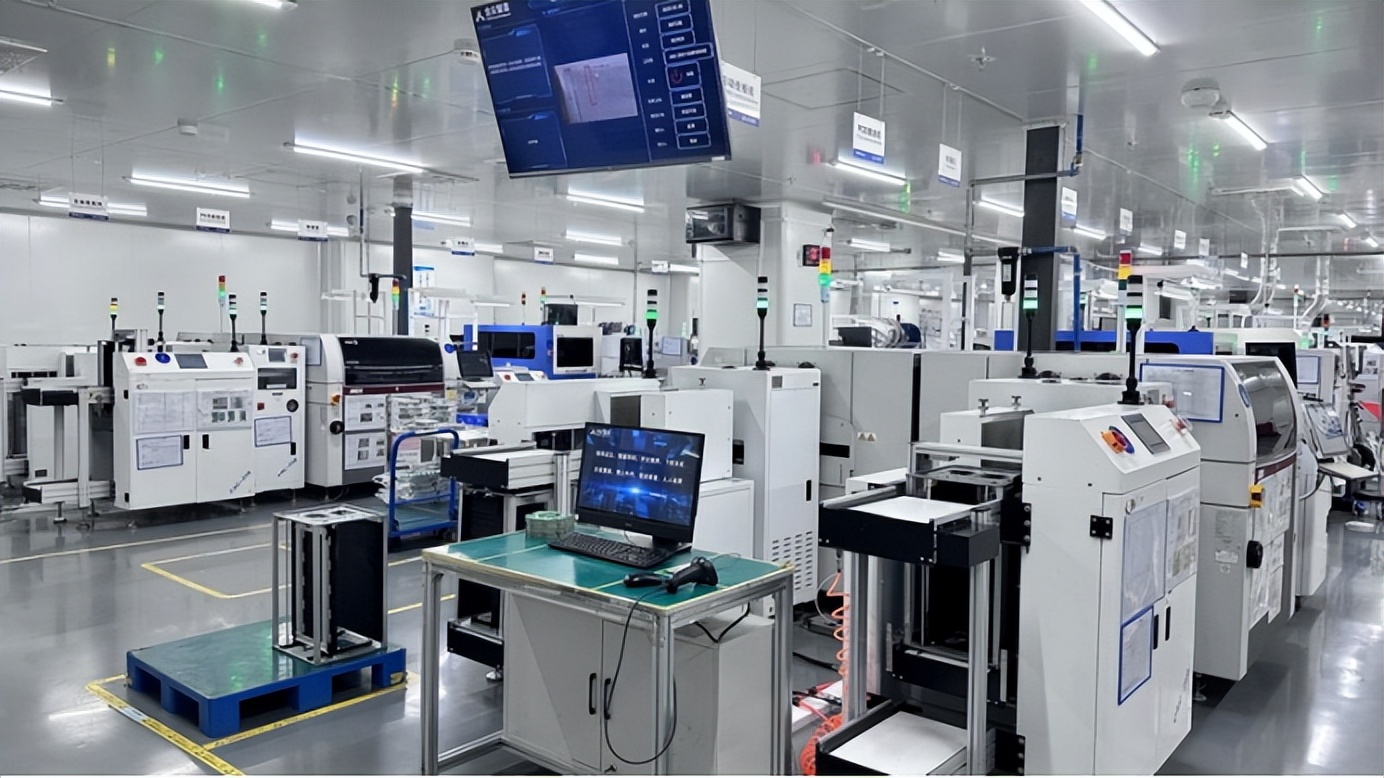
Sourcing IT hardware globally demands absolute supply chain predictability. Our Industry 4.0 production facilities in China mitigate systemic risks by utilizing end-to-end tracking and advanced automated testing. From automated pick-and-place PCB lines for server motherboards to custom thermal testing chambers, the factory floor integrates high-precision verification at every step.
Our quality verification processes include:
• High-Temperature Stress Testing: Operating finished server configurations under full synthetic load for up to 72 hours within environments heated to 45°C.
• Automated Optical Inspection (AOI): Scanning solder joints on custom-designed GPU baseboards and Retimer boards to identify micro-fractures before assembly.
• Signal Integrity Testing: Measuring high-frequency PCIe transmission lines using high-bandwidth oscilloscopes to ensure zero packet drops.
This deep level of process control ensures that every server leaving the production line meets or exceeds enterprise reliability metrics, minimizing deployment failures and on-site support costs.
An enterprise-grade server configuration is only as good as its deployment and maintenance lifecycle. Exporting systems globally means adhering to strict regulatory frameworks such as CE, FCC, RoHS, and UL certifications. Our export processes guarantee that all components—down to the specific capacitors, power supply units (PSUs), and halogen-free PCBs—comply with the environmental and safety standards of the target region.
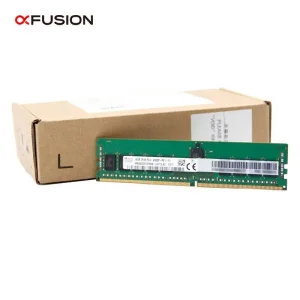
Additionally, we resolve the issue of localized support. By offering remote IPMI (Intelligent Platform Management Interface) and Redfish API integrations, local administrators can monitor, diagnose, and flash server firmware without physical access. For hardware replacements, we establish partnerships with international parts suppliers to ensure hot-swappable fans, power supplies, and enterprise RAM options (like DDR4 or DDR5 ECC memory modules) are available within tight SLA windows.
For procurement officers and IT directors, total cost of ownership (TCO) is the ultimate metric. While off-the-shelf servers feature high margins and generic designs, customized OEM configurations allow you to pay only for the hardware you actually need. By eliminating unnecessary pre-installed components and optimizing storage/accelerator configurations directly at the factory, we reduce initial CAPEX by up to 25%.
Furthermore, standard servers face strict, vendor-locked lifecycles where upgrades are artificially restricted. Our open-architecture motherboards and standard PCIe configurations allow you to extend the operational life of your hardware, making it easy to swap processors, upgrade RAM, or transition to newer GPU platforms as your computing needs grow.
Expert answers to critical technical questions regarding customization, compatibility, and global server supply chains.
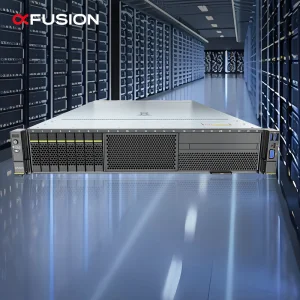
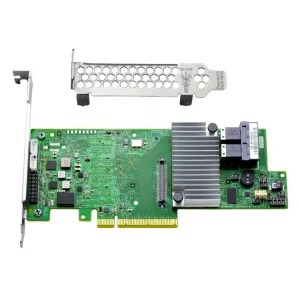
Maintain peak operational efficiency with certified server memory modules, RAID controllers, processing units, and high-performance replacement nodes.
 Aiserveroem